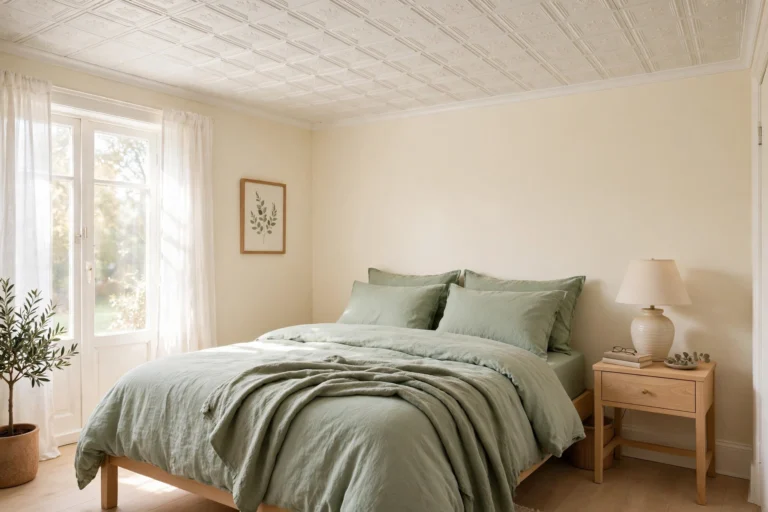

How to Soundproof a Rental Apartment Without Damage: 7 Fixes That Actually Work
You can make a rented apartment noticeably quieter without drilling, building walls, or risking your deposit. Here is how to soundproof a rental apartment without damage in one weekend, for $23.99 to $123.36 in materials. The trick is order. Seal the leaks first, then add mass, then soften the room, then mask what is left. And here is the honest number that decides everything: a standard interior door 36 in (91 cm) wide with a 1 in (2.5 cm) gap underneath it is a 0.25 sq ft (0.02 sq m) open hole. On an 80 sq ft (7.4 sq m) bedroom wall that is about 0.3 percent of the wall, and one renter guide reports that a gap equal to just 1 percent of a wall can cap its sound blocking near 20 decibels. Seal the hole before you buy anything fancy.
The honest limit: what soundproofing a rental apartment without damage can and cannot do
Here is the short answer. You can cut voices, TV noise, hallway chatter, and street hiss by a lot. You cannot silence bass, music with a heavy beat, or footsteps from the flat above. Real soundproofing needs mass inside the wall and a break in the path sound travels along, and both need construction your lease will not allow. What you can do without damage is seal air leaks and add soft absorption. That tames echo and muffled sound, and it makes the noise that still gets through much easier to live with. The EPA names 45 decibels indoors as a level that protects against annoyance and interference with daily life, and a quiet bedroom with sealed gaps and soft surfaces gets far closer to that than a bare, leaky one. Every fix below carries a deposit risk rating from 1 to 5, where 1 means zero risk and 5 means ask your landlord first.
Find the leak first: match the fix to the noise
Before you spend a dollar, spend ten minutes finding out where the noise actually comes from. Stand in the middle of the room at the noisiest time of day and listen. Voices and TV through one wall mean the shared wall and its outlets are the path. Hallway noise means the front door. Street noise means the windows. Footsteps from above mean the ceiling, and that is the hardest path of all, because the fix sits on your neighbor’s floor, not yours. Learning how to soundproof a rental apartment without damage starts with this diagnosis, because a rug will do nothing for a hollow door and a door sweep will do nothing for footsteps. Pick the fix that matches your noise, in the order below.
Fix 1: Seal the door
Best for: Hallway voices, corridor noise, and sound leaking between rooms.
Main advantage: The cheapest fix with the biggest return. A door sweep plus foam weatherstripping costs $15 to $40 in materials per door, and most doors take under an hour.
Watch out for: Self-adhesive foam tape can peel paint on a cheap paint job if you rip it off dry. Test a small piece first, and warm it with a hair dryer before removal at move-out.
Verdict: Do this first, always. It is the one fix every guide agrees on.
Deposit risk: 1 out of 5.
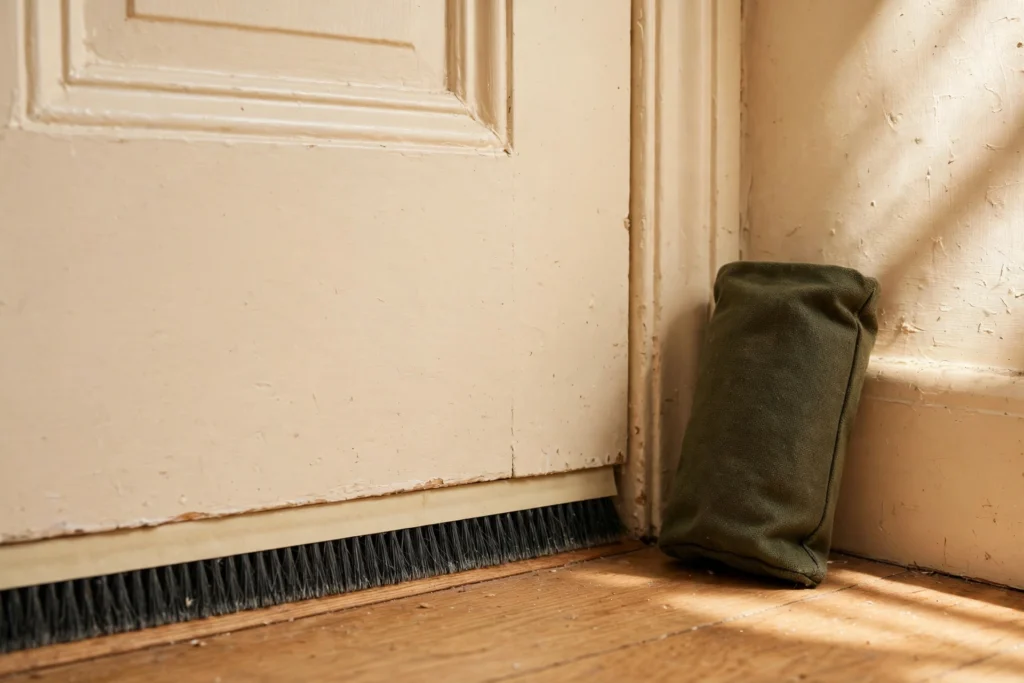
Hold a lit phone flashlight behind the closed door at night. Any light you see is a sound path. A self-adhesive door sweep closes the gap at the bottom, and foam tape around the frame closes the rest. For a bedroom door, an adhesive sweep is enough. For the front door, use a sweep plus a fabric draft stopper on the inside for a double seal. One warning: sealing gaps also traps moisture, so if your windows already fog up in winter, read our guide to stop window condensation in a rental apartment before you seal everything tight.
Fix 2: Seal the small leaks
Best for: Voices through a shared wall, especially near outlets and baseboards.
Main advantage: Nearly free. Foam outlet gaskets cost under $1 each and take two minutes to fit behind a faceplate.
Watch out for: Turn off the breaker before you touch an outlet faceplate, and never pack gaps around outlets with anything flammable.
Verdict: The quietest $4 you will spend in a rental.
Deposit risk: 1 out of 5.
Outlets on a shared wall are often back to back with your neighbor’s, which leaves a near-open path for sound. Foam gaskets behind the faceplates close it. Then run a finger along the baseboards on the noisy wall. If you feel a draft, a thin bead of removable sealant or a strip of foam tape closes the gap. Check window frames the same way. These leaks are small, but sound behaves like water. It finds the easiest opening and pours through it, and a wall full of tiny holes performs like a wall with one big hole.
Fix 3: Add mass without anchors
Best for: Voices and TV through a shared wall.
Main advantage: Free if you already own the furniture. A loaded bookcase is the best sound barrier a renter can add without touching the wall.
Watch out for: Push the bookcase flush against the wall and it becomes a speaker. Sound vibrates the wall, the wall vibrates the frame, and the frame passes it into the room. Leave a 1 to 2 in (2.5 to 5 cm) air gap and the sound has to cross air twice.
Verdict: The most underrated fix on this list. Heavy furniture is mass, and mass is what blocks sound.
Deposit risk: 1 out of 5.
Fill a bookcase with books, records, or dense storage bins and slide it against the noisy wall with that small gap behind it. A wardrobe or a large sofa works the same way. That is the core of how to soundproof a rental apartment without damage on a budget: mass you already own, placed with a gap. The same loaded bookcase trick doubles as a room divider in studio apartment layout ideas, so it earns its floor space twice. If you want more, a mass loaded vinyl panel hung like a tapestry on removable hooks adds real weight to the wall and comes straight back down at move-out. It is the priciest option here, so try the bookcase first and buy the panel only if voices still come through clearly.

Fix 4: Rug plus a dense pad
Best for: Echo in your own room, and footsteps you send down to the neighbor below.
Main advantage: It does double duty. It softens the sound inside your room and it cushions the impact noise your floor sends downward.
Watch out for: A thin decorative rug on bare hard flooring does almost nothing. The pad is the fix, not the rug. And a rubber-backed pad can mark some floors, so pick a felt and rubber pad made for your floor type.
Verdict: Essential on hard floors, optional on carpet.
Deposit risk: 1 out of 5.
A thick rug over a dense felt pad is the standard answer for a reason. A Mohawk 5 ft by 8 ft (152 by 244 cm) all-purpose rug pad costs $47.49 at Target as of November 2026, and it fits under any rug you already own. Lay the pad 1 in (2.5 cm) smaller than the rug on every side so no edge peeks out. If your floors are the bigger problem, start with renter friendly flooring ideas that need no glue, then add the pad underneath. One honest limit: a rug helps the neighbor below you far more than it helps you with the neighbor above. Footsteps from above can only be stopped at the floor above, so if that is your main noise, skip to the free fix at the end of this post.
Fix 5: Treat the windows
Best for: Street noise, traffic, and voices from outside.
Main advantage: Heavy curtains also help with drafts and light, so they pay for themselves three ways.
Watch out for: Light decorative curtains do nothing against sound. You need floor-to-ceiling panels with a dense, layered weave, hung as close to the wall as possible with no gap at the top.
Verdict: Worth it on a busy street, skippable on a quiet one.
Deposit risk: 1 out of 5.
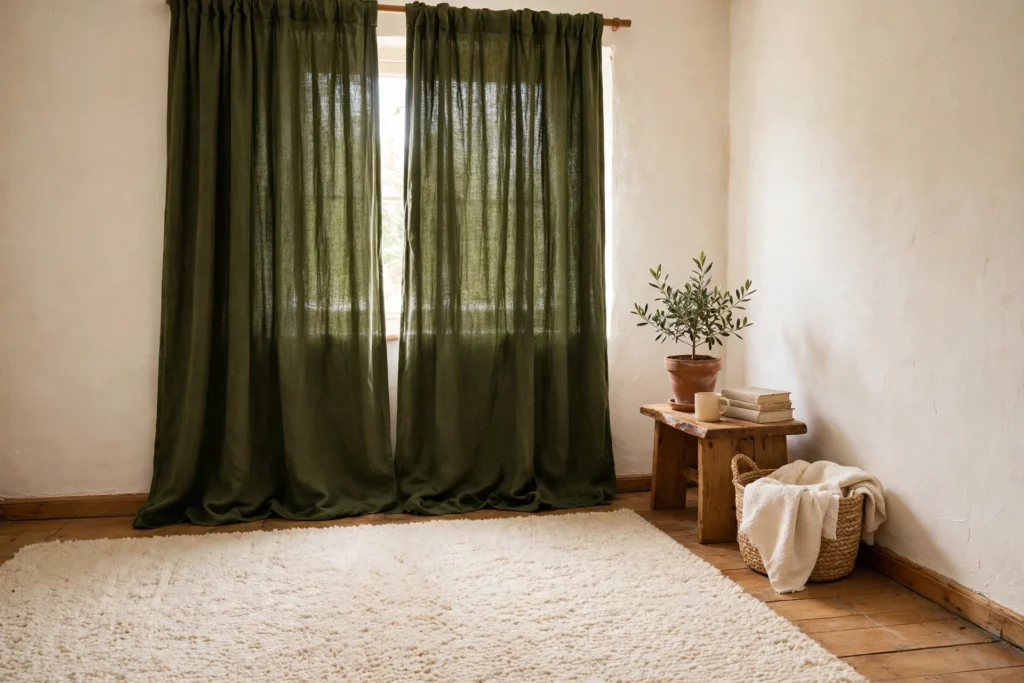
Hang the heaviest curtains you can live with on a tension rod inside the window frame or on your existing rod, and let them pool slightly on the floor. If street noise is still loud, a removable window insert is the premium renter option. It is a clear acrylic panel that presses into the existing frame and pops out at move-out, and it blocks far more than curtains because it adds a sealed second pane. Measure the frame carefully before ordering, and check the price before you commit, because inserts cost far more than curtains and only make sense if the street is your main problem.
Fix 6: Soften the room
Best for: Echo, harsh reflections, and the feeling that every sound is louder than it should be.
Main advantage: It makes the room feel quieter even though it blocks almost no incoming noise, and it is the fastest visible change on this list.
Watch out for: Acoustic foam panels absorb echo, they do not block sound from next door. Anyone who tells you foam will silence a neighbor is selling foam.
Verdict: Do it for comfort, not for blocking. It is the finishing layer, never the first step.
Deposit risk: 2 out of 5.
Do acoustic panels work in a rental? Yes, for echo, and only for echo. A 12-pack of self-adhesive foam panels costs $11.89 to $29.99 on Amazon as of November 2026, and you can hang them with removable Command strips instead of the sticky backing so they come down cleanly. Moving blankets hung on a tension rod or a freestanding clothes rack do the same job for less money and look better in a bedroom. Cover 25 to 40 percent of one wall, not the whole room. A room with no hard surfaces left sounds dead and strange, and you do not need that to sleep well.
Fix 7: Mask what is left
Best for: The last layer of voices and TV that no seal or rug can reach, especially at night.
Main advantage: Instant, portable, and it works on every kind of noise at once by raising the background level so voices stop standing out.
Watch out for: Keep the volume low. A machine turned up loud enough to drown out a TV becomes its own noise problem, and your ears will thank you for restraint.
Verdict: The best $40 in this whole post if you are a light sleeper.
Deposit risk: 1 out of 5.
A white noise machine or a plain fan in the bedroom makes voices and music from next door much harder to pick out, which is what keeps you awake. The Yogasleep Dohm Uno costs $39.99 on the maker’s site as of November 2026, and the Classic is $49.99. Both use a real internal fan, so the sound never loops. Place the machine between you and the noisy wall, not beside your pillow, and run it on the lowest setting that blurs the voices. A box fan does the same job for free if you already own one.
The free fix: talk to the neighbor and the landlord
Here is the fix most guides bury at the bottom and most renters skip entirely. Talk first. Many people genuinely do not know how much sound travels through their floor, and a friendly word often does what $100 of panels cannot. Ask the upstairs neighbor about rugs, and offer to split the cost of a pad. If the noise breaks your lease’s quiet hours or local noise rules, tell the landlord in writing and keep a short log of dates and times. Management can enforce lease terms, require rugs upstairs, or take other action, and a written record is what makes them act. This costs nothing, risks nothing, and it is the only fix that works on footsteps from above.
What it costs: as of November 2026
| Fix | What to buy | Price checked |
|---|---|---|
| Seal the door | EPDM weatherstrip roll, 5 m (16.4 ft) | $9.99 |
| Seal the door | Self-adhesive door sweep | $10.00 |
| Seal the small leaks | Foam outlet gaskets, pack of 4 | $4.00 |
| Rug plus pad | Mohawk 5 ft by 8 ft (152 by 244 cm) rug pad, Target | $47.49 |
| Soften the room | Acoustic foam panels, 12-pack, Amazon | $11.89 |
| Mask what is left | Yogasleep Dohm Uno white noise machine | $39.99 |
| Starter kit (Fix 1 plus Fix 2) | Weatherstrip, sweep, gaskets | $23.99 |
| Full quiet-bedroom kit | Starter kit plus rug pad, foam panels, Dohm Uno | $123.36 |
Prices checked November 2026 at the sources named in the table. The starter kit is the honest minimum: seal first, then decide whether you need anything else. That is the full answer to how to soundproof a rental apartment without damage in one bedroom, and the rest of the fixes are optional upgrades, not requirements. Time estimate: about 2 hours for the starter kit, one weekend afternoon for the full kit.
Materials list
Foam weatherstripping tape, self-adhesive door sweep, foam outlet gaskets, a thick rug, a dense felt and rubber rug pad, heavy curtains, acoustic foam panels or moving blankets, removable Command strips, a white noise machine or fan, a screwdriver, scissors, a tape measure, and a flashlight for finding gaps.
Quiet bedroom in one weekend: 7 steps
- Listen for ten minutes at the noisiest time of day and note which wall, door, or window the sound comes through.
- Hold a flashlight behind each closed door at night and mark every gap where light shows through.
- Fit the door sweep and foam weatherstripping on the noisiest door first, then the rest.
- Turn off the breaker, fit foam gaskets behind the outlet faceplates on the shared wall, and seal baseboard gaps.
- Slide a loaded bookcase against the shared wall with a 1 to 2 in (2.5 to 5 cm) gap behind it.
- Lay the dense rug pad under your rug and hang the heavy curtains floor to ceiling.
- Set the white noise machine between your bed and the noisy wall on the lowest setting that blurs voices, then live with it for a week before buying anything else.
Mistakes to avoid
Sealing the room and ignoring humidity. A tighter room traps moisture, and winter condensation follows. Crack a window briefly each morning or run the dehumidifier you already own.
Buying foam panels first. Panels treat echo, not incoming noise. Seal the door before you buy a single panel.
Pushing furniture flush to the wall. That 1 to 2 in (2.5 to 5 cm) air gap is doing real work. Flush contact turns your bookcase into a speaker.
Hanging curtains that stop at the sill. Sound slips over the top and under the bottom. Floor to ceiling, wall to wall, or do not bother.
Turning the white noise machine up too loud. If you can hear it clearly from the next room, it is too loud.
What to skip
Egg cartons on the wall. Too light and too porous to block anything, and a fire risk. Every serious guide agrees on this one.
Cheap thin foam covering a whole wall. It looks like a studio and performs like a blanket. A few panels in the right place beat a wall of thin foam.
Mass loaded vinyl as a first buy. It works, but it is the most expensive fix here. Try the free and cheap fixes first and buy vinyl only if voices still come through clearly.
Soundproof paint. It is thick paint with a fancy label. It does not block sound in any meaningful way.
Renter caveat: check the lease first
Everything in this post is reversible, and that is the point. Still, read your lease before you start. Most leases ban screws, nails, and permanent adhesive, and all seven fixes here avoid those. The only gray area is self-adhesive foam tape on painted frames, so test a small piece in a hidden spot first and keep the backing paper. Photograph the door frames, window frames, and outlet covers before you start, and keep every receipt. If anything marks a surface, you have the photo that proves how it looked on move-in day. Our lease and deposit guide for renters explains what counts as wear and tear and what counts as damage, and it is worth a read before you touch anything.
How this was made
Written from live search results and live-checked prices from November 2026, with the leak math and cost totals computed from the measurements and prices in this post. No product was tested in person and no test result is claimed.
Sources
STC figures, the 1 percent gap rule, and the EPA 45 decibel indoor target are reported in the renter soundproofing guide at cynthiagardens.com. White noise machine prices and specifications are from the maker’s product page at yogasleep.com. Door sealing costs are from the EPB and Dwellia weatherstripping guides. Rug pad and foam panel prices are from Target and Amazon listings checked in November 2026.
Can you soundproof a rental apartment without drilling?
Yes, for most everyday noise. Sealing door and window gaps, adding a loaded bookcase to the shared wall, and laying a rug on a dense pad cut voices, TV noise, and hallway sound by a lot, with no drilling and no damage. Bass and footsteps are structural and need construction, so they stay partly audible.
Do acoustic panels work in a rental?
They work for echo inside your own room, not for blocking your neighbor. A 12-pack costs $11.89 to $29.99 on Amazon as of November 2026, and hanging them with removable Command strips keeps them damage-free. Use them as the finishing layer after you seal the gaps.
How can I reduce neighbor noise in my apartment?
Match the fix to the noise. Seal the door for hallway sound, seal outlets and baseboards for voices through a shared wall, add a loaded bookcase for TV noise, treat windows for street sound, and talk to the neighbor for footsteps from above. That is how to soundproof a rental apartment without damage step by step, and sealing first gives the biggest return for the least money.
Do rugs help with noise from upstairs neighbors?
Barely. A rug and dense pad help the neighbor below you far more than they help you with the one above, because footsteps travel through the floor structure. For noise from above, ask the upstairs neighbor about rugs, and use a white noise machine for what is left.