The New Year Home Reset: A Room-by-Room Plan to Start January Clear
A new year home reset is a short, planned clear-out after the holidays: take the decorations down, let go of what expired or went unused, give every room one working system, and set a weekly habit that keeps it that way. For a small home, this plan runs about 6 hours and 50 minutes of active work, spread over one weekend or seven short evenings, or stretch the same clear-out over a month with the january declutter challenge. That number is not a guess. It is the sum of the per-room times in the table below, worked out for a 650 sq ft (60 sq m) two bedroom flat. The kit costs about $36 to $60 at prices checked in October 2026, and you should not buy any of it until you have measured the shelf it is meant for.
Most January plans fail for a simple reason. They start with buying. A new bin set feels like progress, but it only moves the clutter into nicer boxes. This plan starts the other way around: less stuff first, then a system for what stays, then one small purchase only where a gap is real.
How long does a new year home reset take in a small home?
A new year home reset takes about 6 hours and 50 minutes of active work in a 650 sq ft (60 sq m) two bedroom flat, not counting breaks, errands, or a donation drop-off. Add an hour if you still have a full set of holiday decorations up, and add a second hour if the closet has not had a real clear-out in over a year.
Here is the time budget, room by room. Use it as your plan, not as a race. If a room finishes early, stop. If it runs over, split it and come back the next day. A half-finished room looks the same as a room you never started, so finish one room before you open the next.
| Room or job | Active time |
|---|---|
| Holiday takedown and packing | 60 minutes |
| Entryway | 30 minutes |
| Living room | 60 minutes |
| Kitchen and pantry | 75 minutes |
| Bedroom and closet | 90 minutes |
| Bathroom and laundry | 50 minutes |
| Home office and paper | 45 minutes |
| Total | 410 minutes (6 hours 50 minutes), not counting breaks |
Two ways to run it. The weekend way: Saturday for takedown, entry, living room, and kitchen, and Sunday for bedroom, bathroom, laundry, and paper. The seven-day way: one room each evening, 30 to 90 minutes at a time, with the takedown on day one. The seven-day way suits a busy January better. The weekend way suits a home where clutter has built up for months and you want it gone in one push. Pick one and write it on the calendar. A plan that lives only in your head will lose to the first busy week.
Start with the holiday takedown, not a shopping trip
Do not buy storage before you know what needs storing. Start by taking the season down properly, because a home cannot reset while last month is still on the walls. Work in this order: decorations down first, what to do with unwanted christmas gifts and wrapping second, surfaces third. Clean a shelf before the garland above it comes down and you will clean it twice.
Pack by the room the items will return to, not by type. One box for the living room, one for the entry, one for the tree. Label each box with the room and a short contents line. That one habit is what makes next December easy instead of a second hunt through mixed boxes. Broken lights, cracked ornaments, and wrapping paper too torn to reuse go now, not into a box for next year to deal with. If you need the full seasonal system, the small space Christmas decorating ideas post is the head post this reset builds on, and the best Christmas storage containers guide covers which boxes actually fit a small closet shelf.
The reset in 7 steps
Set out four containers: one bag for trash, one box for donations, one basket for things that belong in another room, and one box for things going into storage.
Take the holiday decorations down, pack them by room, and label each box.
Reset the entryway: coats you wear, shoes you wear, keys and mail in one spot.
Reset the living room: clear every flat surface, then put back only what the room uses weekly.
Reset the kitchen: toss expired food, match containers to lids, and zone the pantry by use.
Reset the bedroom and closet: clothes that fit and get worn stay, the rest goes to the donation box.
Reset the bathroom, laundry, and paper pile, then set a 15 minute weekly reset on the same day each week.
Materials you need
You need less than most lists suggest. Four bags or boxes for sorting, one roll of trash bags, a marker and a few labels, a timer on your phone, and cleaning cloths you already own. Bins and baskets come later, after measuring, and only for the spots where loose items keep sliding back into a pile. A reset that needs a shopping trip first is a reset that will not start.
What a new year home reset costs
Prices below are checked market prices as of October 2026, not a receipt for one shopping trip. Sale prices move, so treat the range as a planning budget. The honest total for most small homes is the low end, because the sorting itself costs nothing.
| Item | Checked price as of October 2026 | Notes |
|---|---|---|
| Small open storage bins, 13.8 in by 9.5 in by 5.8 in (35 cm by 24 cm by 15 cm) | About $2.56 each | Buy 6 after measuring, about $15. |
| Large white decorative basket, 14.7 in by 12 in by 8.5 in (37 cm by 30 cm by 22 cm) | About $7.97 each | 2 for entry and living room, about $16. |
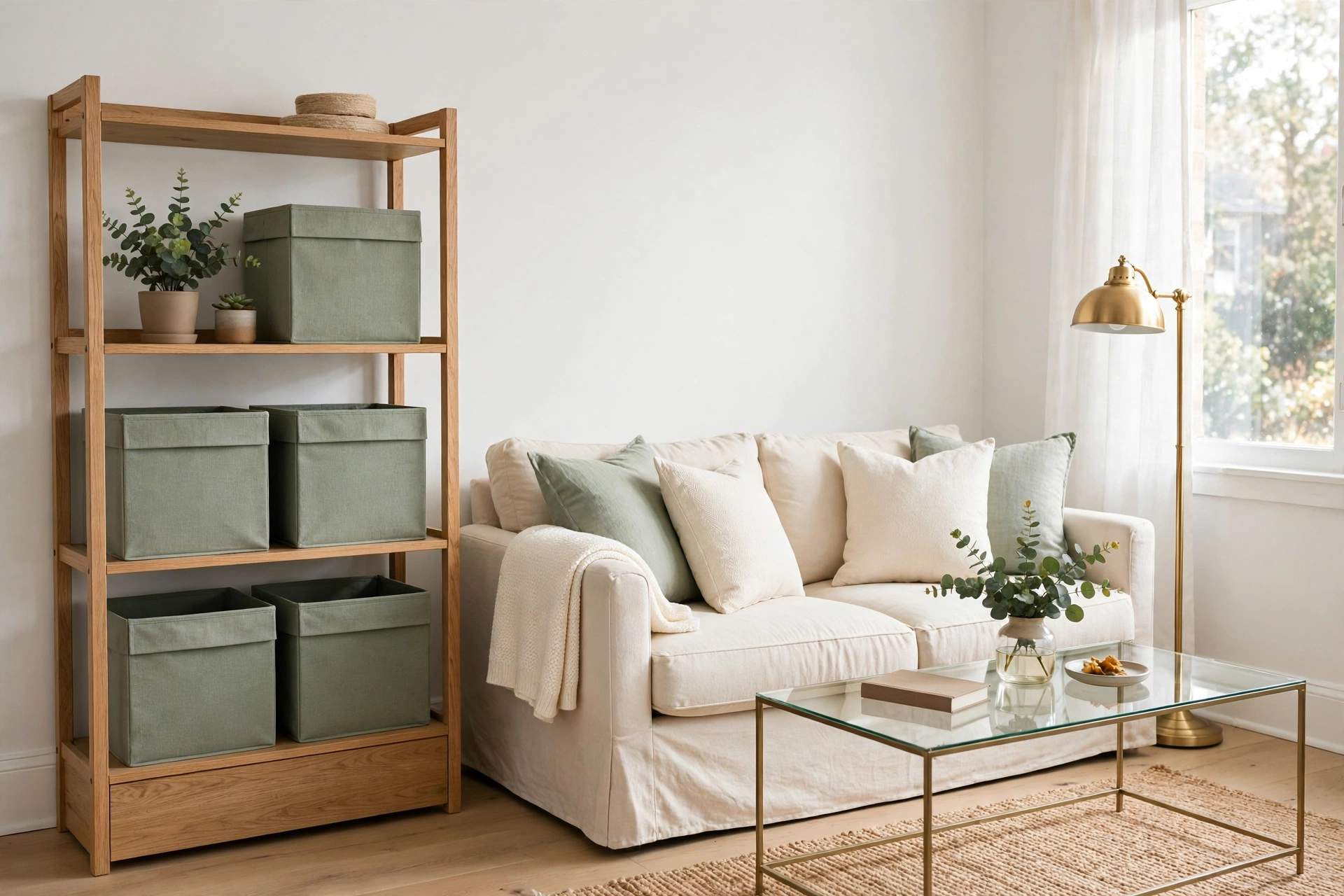
| Collapsible fabric cubes, 10.5 in (27 cm) wide, pack of 4 | About $17.71 | About $4.43 per cube, for closet shelves. |
| Label sheets | $3 to $8 | One sheet covers the whole reset. |
| Trash and donation bags | Already at home for most homes | Reuse sturdy bags you have. |
| Total kit, if you buy it all | About $36 to $60 | Buy only after the clear-out. |
My opinion, plainly: most homes do not need the fabric cubes at all in January. Buy the small bins for the pantry and the bathroom first, live with the system for two weeks, and only then fill the gaps you can point to. That is how a $36 kit stays $36 instead of turning into a $150 storage haul.
Room by room: what to do in each room
Entryway, 30 minutes
Best for a fast win on day one. Take every coat, shoe, bag, and umbrella out, then put back only what gets worn weekly. One hook per person, one tray for shoes, one bowl or tray for keys and mail. Watch out for the “just for now” pile by the door. In a small home the entry is also the hallway, so anything left on the floor blocks the whole route. Verdict: finish this room first if your motivation is low. It is the smallest job and the most visible.

Living room, 60 minutes
Clear every flat surface before you organize a single drawer. Old magazines, dead remotes, cables for devices you no longer own, and decor you stopped noticing all go. Then put back only what the room uses weekly, with one basket for remotes and small items and one tray for mail. Shift one piece of furniture if the layout has always bothered you, but do not buy anything to fix a layout problem. A chair that blocks a walkway is a layout problem, not a storage problem.
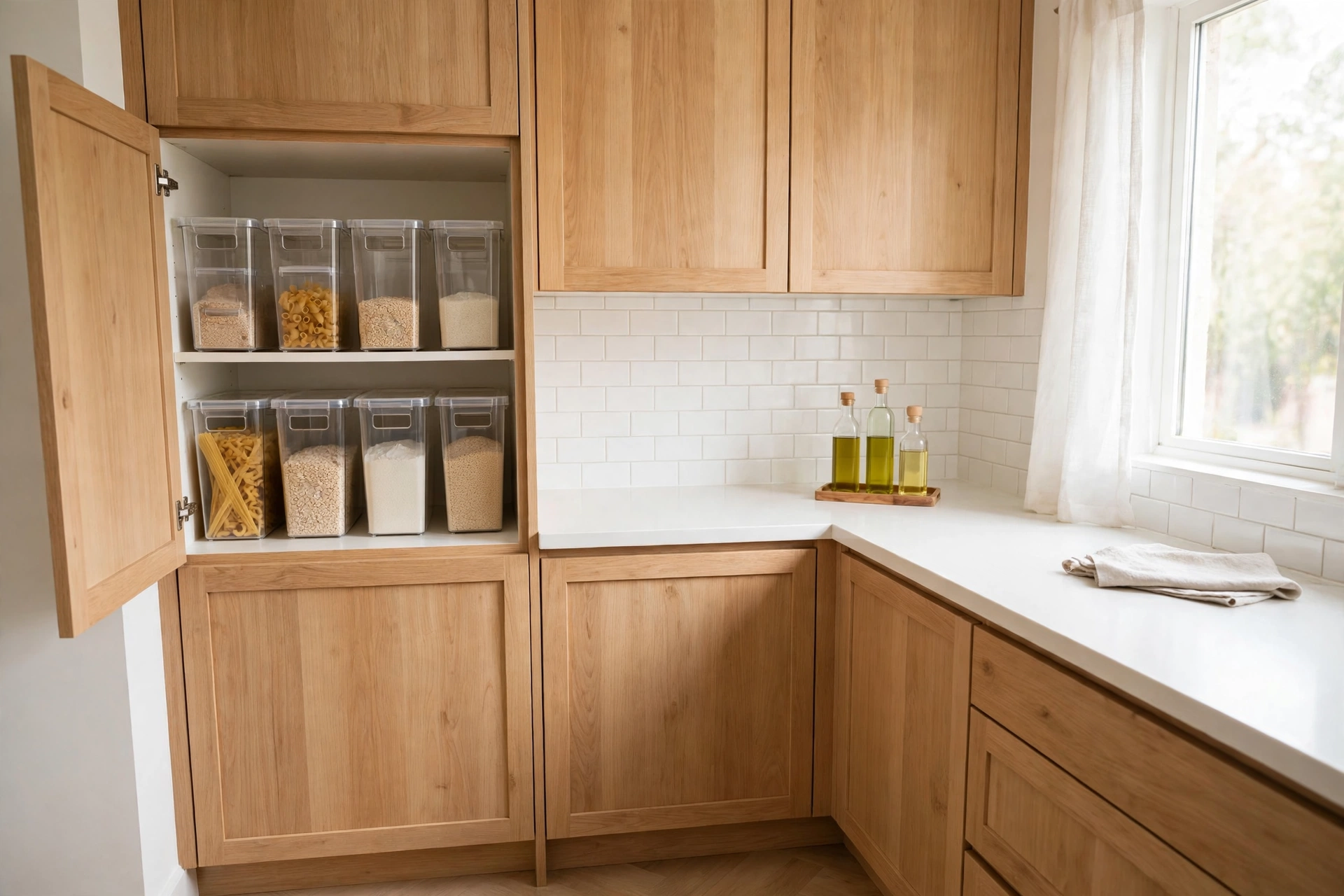
Kitchen and pantry, 75 minutes
Work shelf by shelf, not all at once. Toss expired food and spices, recycle containers without lids, and donate unexpired food you know you will not use. Zone what stays by use: baking together, snacks together, staples together. The whole home organization guide lays out the same room-by-room system for the rest of the year, and it is worth reading once before you start so the kitchen zones match the rest of the home. Watch out for duplicate tools. If you own three spatulas and use one, the other two are clutter with a handle.
Bedroom and closet, 90 minutes
This is the longest room, so give it a full session. Clothes that fit, feel good, and were worn in the last year stay. Clothes that are stained, ripped, or kept for a “someday” that never comes go to the donation box. Fold by category, hang by type, and leave a little space between hangers so getting dressed stops feeling like a fight. Under the bed, keep only seasonal items in one flat bin. If the under-bed space is already full, that is the closet telling you it needs the clear-out, not a bigger bin.

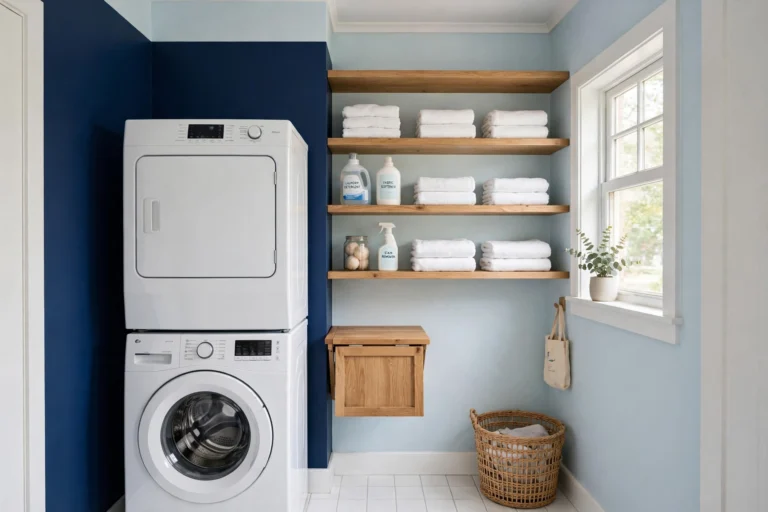
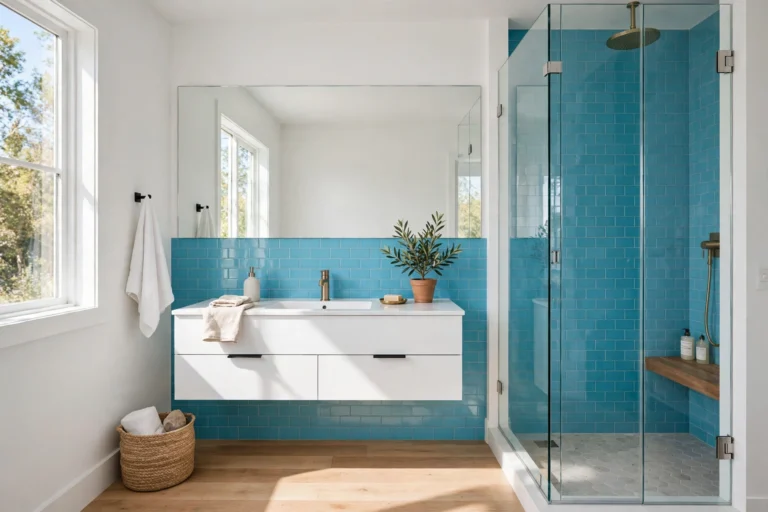
Bathroom and laundry, 50 minutes
Bathrooms reward a strict rule: if you have not reached for a product in six months, let it go. Check the small jar symbol on packaging for how many months a product lasts after opening, and toss anything dried out, separated, or smelling off. Expired medicines go to a pharmacy take-back point where one exists, not into the trash with everything else. In the laundry corner, one hamper for lights and one for darks beats a single mixed pile, and a small bin for cleaning supplies keeps the top of the machine clear.
Home office and paper, 45 minutes
Paper is where January resets quietly stall, so give it its own session. Shred or recycle old receipts, statements, and mail you no longer need, and keep one folder for the papers the year ahead actually requires. Untangle cables, label the chargers you keep, and recycle the ones for devices you no longer own. A desk that holds only the work of this week is a desk you will actually sit at.
What should you declutter before the new year?
Start with the things that expire or go stale: pantry food past its date, spices that lost their smell, bathroom products past their opened life, and medicines past their date. Then move to the duplicates: extra mugs, extra tools, extra cables, extra towels. Then the clothes that no longer fit or never get worn. Professional organizers quoted in a pre-New Year declutter roundup give the same short list, and it matches what this plan does room by room. Another new year home reset guide walks the same five steps in a different order, which is a useful second viewpoint before you start.
What not to rush: keepsakes, photos, and anything tied to a person you are still grieving or a move you are still settling into. Put those in one labeled box, date it, and decide in spring. A January reset should make life lighter, not force decisions you will regret in February.
Mistakes to avoid
Starting in the biggest room. Start small, finish, and let the win carry you. Buying bins before measuring. Measure the shelf, then buy the bin that fits it, not the other way around. Clearing by category across the whole home at once. In a small home that turns every room into a half-sorted mess at the same time. One room, finished, beats five rooms started. Keeping broken things for a repair that has no date. If it will not be fixed within a week, let it go. And skipping the donation drop-off. Bags by the door are not decluttered. They are clutter in a bag. Book the drop-off before you start sorting.
What to skip
Skip the full pantry decant into matching jars unless cooking is your hobby and you will refill them. Skip buying a label maker for one reset; a marker and plain labels do the same job. Skip reorganizing the garage or storage unit in January if you live in a small home without one, and skip it even if you have one until the rooms you live in are done. Skip a new furniture purchase to solve a clutter problem. And skip the 30-day challenge format if daily tasks feel like homework. A weekend plan you finish beats a month-long plan you quit on day nine.
The weekly reset that keeps January from falling apart
A reset without a habit lasts about three weeks. The habit that works is small: 15 minutes, same day each week, same order every time. Kitchen surfaces and sink, living room surfaces, entry floor, one load of laundry started, paper pile cleared. That is it. The 15-minute home reset system is the daily version of this habit, and pairing the two is what keeps a January reset alive in March. If a week gets missed, do not restart the whole plan. Just pick up where you left off. The system is meant to fit your life, not the other way around.
How this was made: the time budget was added up from the per-room plan for a 650 sq ft (60 sq m) flat, prices were checked in October 2026 search results, and no hands-on test or personal purchase is claimed. Images show the bright real-home style used across this site, not photos of one real project.

How long does a new year home reset take?
About 6 hours and 50 minutes of active work in a 650 sq ft (60 sq m) two bedroom flat, spread over one weekend or seven evenings of 30 to 90 minutes. Larger homes take longer, and a home that has not been cleared out in over a year can take a full extra day. The per-room table above is the honest way to plan it: add your rooms, add your times, and you have your number.
Where should I start a new year home reset in a small home?
Start with the holiday takedown, then the entryway. The takedown removes a whole layer of seasonal stuff, and the entry is the smallest room with the most visible payoff. After that, work in the order you live in the rooms: living room, kitchen, bedroom, bathroom, then paper. Finish each room before you start the next.
What should I declutter before the new year?
Expired pantry food and spices, bathroom products you have not used in six months, medicines past their date, clothes that no longer fit or were not worn in the last year, duplicate kitchen tools and cables, and broken items with no repair date. Keep keepsakes and photos for a slower decision in spring. Donate what is usable, recycle what can be recycled, and trash only what is truly done.
How do I keep the reset from falling apart by February?
Set a 15 minute weekly reset on the same day each week, in the same order: kitchen surfaces, living room surfaces, entry floor, laundry started, paper cleared. Use a one-in, one-out rule for new items so every new thing replaces an old one. If a week gets missed, do not restart the plan. Just do the next weekly reset and carry on.